
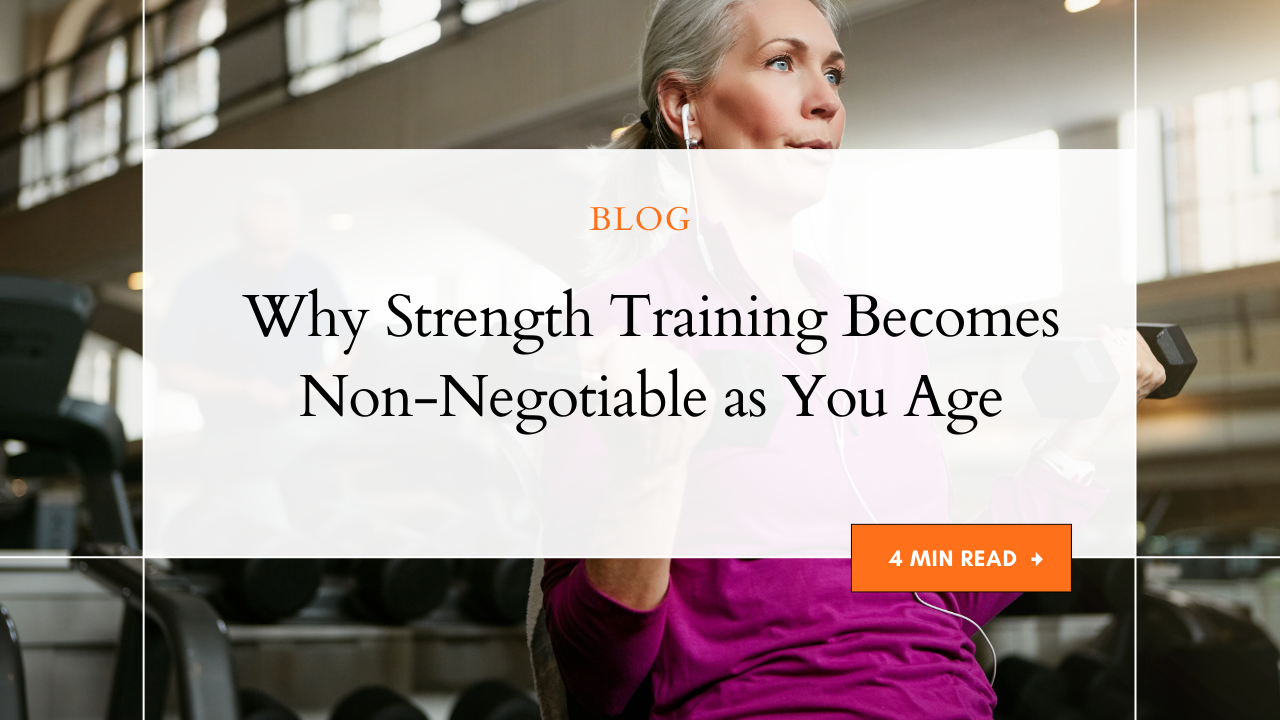
Strength isn’t just about lifting weights—it’s about maintaining independence, confidence, and resilience. As we age, muscle loss accelerates unless we actively counter it. This is why strength training becomes essential, not optional.
Muscle mass and strength don’t disappear overnight—they fade gradually when not challenged. Strength training slows this process dramatically. It’s one of the most powerful tools we have for maintaining function and independence.
In my work as a strength and conditioning coach, I’ve had a front-row seat to how people age—some with confidence and capability, others with growing limitation. Now that I’m in my forties and paying closer attention to my own ageing process, the pattern has become impossible to ignore. The biggest differentiator isn’t luck or genetics. It’s strength.
The people who age well physically into their fifties and sixties all share one common habit: they continue to strength train. Because of that, they can still do what they want with their bodies—train, travel, play sport, lift, and move with more ease and without fear. But the benefits go beyond the physical. Their social and emotional lives are richer too, partly because of the mental benefits of exercise, but mostly because they can still participate in the activities that give them purpose and joy. And as a bonus—they tend to look impressively strong and capable as well.
“Strength is not about youth; it’s about independence.”
What you don’t maintain, you eventually lose. Strength—physical or otherwise—doesn’t disappear suddenly; it erodes quietly when neglected. Just like relationships, skills, your health, or even a garden, it requires ongoing attention. The longer you delay that maintenance, the harder it becomes to rebuild, and the greater the cost when capability is lost.
Why Strength Training Becomes Non-Negotiable as You Age
- Muscle loss accelerates with age if it isn’t challenged. From around our thirties onwards, we naturally lose muscle mass and strength each decade if no resistance is applied. This process—often gradual and unnoticed—compounds over time, leading to reduced power, slower movement, and declining function. Strength training is the most effective way to slow, stop, and even reverse this decline.
- Strength underpins independence and injury prevention. Daily tasks like getting up from the floor, carrying groceries, picking up grandchildren, or maintaining balance rely on strength. As strength fades, so does confidence in movement, increasing the risk of falls, injuries, and reliance on others. Maintaining strength means maintaining autonomy—the ability to live life on your own terms.
- Maintenance requires deliberate, consistent effort. Strength doesn’t maintain itself through good intentions or incidental movement alone. It requires a conscious decision to train, week after week, year after year. This isn’t about chasing extremes—it’s about respecting the long-term return on doing the basics well, consistently.
Strength training is one of the most powerful investments you can make in your future self. No matter your age or past habits, it’s never too late to rebuild strength, restore confidence, and improve how your body feels and functions. Start simply: commit to two strength sessions per week at a time that suits you, focus on basic movements, and build gradually. Small, consistent action now can dramatically change how you move, live, and age in the years ahead.
Leave your answer to this question in the comments section below.
How are you actively preserving your physical capability?