
Protein advice is everywhere, and much of it is confusing or extreme. Yet most adults under-consume it without realising. Understanding your actual needs can dramatically improve energy, recovery, and body composition.
Protein needs increase as we age, yet many adults continue eating as they always have. This mismatch affects muscle, recovery, and appetite regulation. Adjusting intake doesn’t require drastic change—just informed choices.
I used to eat a primarily carb-dominant diet up until 2014. Chronic stress caught up with me and my body broke down. To recover and build myself back up, I had to do things differently. One of the things I did was make protein the dominant macronutrient.
“Protein isn’t just for building muscle in your 20s — it’s for protecting muscle in your 40s, 50s, and beyond.”
Needs change over time. Failing to reassess leads to stagnation, not stability. The habits that once worked can quietly become the very things holding you back. Growth requires reflection, and reflection requires honesty. Just as training programs must evolve to match new goals and capacities, so too must nutrition. What built the foundation in your twenties may not be enough to protect it in your forties and beyond.
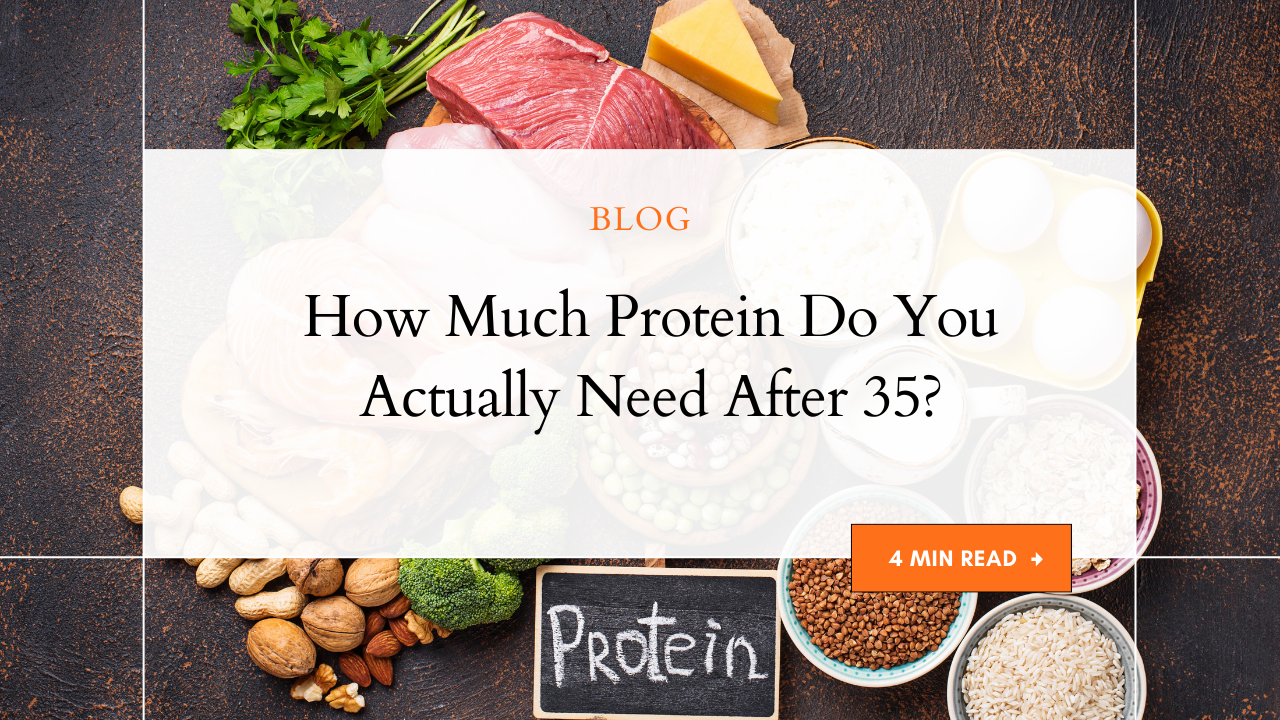
How Much Protein Do You Actually Need After 35?
- Protein requirements increase to preserve lean muscle mass as we age. From our mid-30s onward, muscle protein synthesis becomes less efficient, meaning the same intake that once maintained muscle is no longer enough. Without deliberate attention, gradual muscle loss can occur year after year. Increasing protein intake helps offset this decline, supporting strength, metabolic health, and long-term physical resilience.
- Adequate protein improves satiety, recovery, and overall appetite control. Protein has a higher thermic effect and greater satiety response compared to carbohydrates or fats. This means you feel fuller for longer and are less likely to over-consume low-quality foods. For active adults balancing work, family, and training, this becomes a practical advantage—better recovery, steadier energy, and fewer cravings.
- Small increases in intake often deliver disproportionate results. You don’t need extreme diets or dramatic overhauls. Moving from “adequate” to “optimal” can be as simple as adding 20–30 grams per day. That modest shift can noticeably improve training adaptations, body composition, and daily energy. Consistency with small adjustments compounds over time, much like progressive overload in the gym.
Practical Guidelines
Increasing your protein intake by 20–30 grams per day doesn’t require a complete overhaul of your diet. It simply requires intention. The easiest strategy is to anchor each main meal around a quality protein source and slightly increase the portion size. Add an extra egg at breakfast, include an additional 100–120g of Greek yoghurt, increase your chicken or lean beef at lunch by a palm-sized amount, or add a scoop of whey protein to a smoothie. A simple protein shake post-training can provide 20–25 grams on its own. You can also swap lower-protein snacks for higher-protein options—cottage cheese instead of crackers, a tin of tuna instead of a muesli bar, or a handful of roasted chickpeas instead of chips. Small, deliberate adjustments like these compound quickly and move you from “getting by” to properly supporting your strength, recovery, and long-term health.
Protein needs evolve with age, activity, and recovery demands. Small increases often lead to noticeable improvements in energy and body composition. Awareness leads to better choices.
Are your eating habits still aligned with your current needs?
Leave your answer to that question in the comments section below.